Common Mistakes That Can Hurt Your Car Accident Claim
  Why Hiring An Immigration Attorney Can Improve Your Chances Of Success
  Can You Get A DUI On A Bicycle In Florida? Smart Yes
  Bankruptcy Attorney Houston: Proven Relief Guide Today
  Business Attorney New York: Powerful Guide For Success
  Car Accident Attorney In Riverside – Trusted Winning Help Today
  Divorce Attorneys Near Me: Trusted Legal Help Today
  What Really Happens When DCF Opens An Investigation Into Your Family Massachusetts
Ever wondered what happens when you’re pulled over for a field sobriety test? It can feel really scary, even without a DUI field test lawyer to help.
Field sobriety tests help cops figure out if you’re too drunk to drive. But, these tests aren’t perfect. Many people don’t know they can fight these tests.
Knowing how to challenge a field sobriety test can save you. This guide will teach you how to handle these tough situations with the cops.
Key Takeaways
- Field sobriety tests are not definitive proof of intoxication
- You have legal rights during a roadside assessment
- Multiple factors can impact test performance
- Professional legal counsel can significantly improve your defense
- Challenging test results requires strategic approach
Understanding Field Sobriety Tests
Field sobriety tests are important in DUI cases. Police use them to check if a driver is drunk. These tests are key in traffic stops.
What Are Field Sobriety Tests?
Field sobriety tests check how well a driver can move and think. Police do these tests to see if someone might be drunk. They look at how well the driver can balance and think clearly.
- Designed to assess coordination
- Measure balance and cognitive function
- Used as preliminary evidence in sobriety test defense
Purpose of Field Sobriety Tests
These tests help police find out if someone might be drunk. They check how well a driver can move and think. This helps police decide if they need to do more tests.
| Test Objective | Key Assessment |
|---|---|
| Physical Coordination | Evaluate motor skills and balance |
| Cognitive Function | Assess mental clarity and response times |
| Probable Cause | Determine basis for further investigation |
Types of Field Sobriety Tests
Police use three main tests for DUI:
- Horizontal Gaze Nystagmus: Tracking eye movement
- Walk-and-Turn Test: Assessing balance and instruction following
- One-Leg Stand Test: Measuring physical coordination
Knowing these tests helps in defending against DUI charges. Each test has its own rules and weaknesses. These can be used in court.
Legal Standing of Field Sobriety Tests
Understanding DUI tests can be tricky for drivers. Knowing your rights during a stop is key. Police must follow rules when they test you.
Mandatory Testing: What You Need to Know
Field sobriety tests are not always required. You have rights when asked to do these tests. Laws about DUI tests vary by state, but some rules are the same everywhere.
- You can refuse a field sobriety test
- Refusal may trigger immediate consequences
- Legal implications differ across states
Accepted Legal Standards in the United States
Each state has its own rules for DUI tests. Courts usually accept three tests made by the National Highway Traffic Safety Administration:
| Test Type | Legal Admissibility | Standard Acceptance |
|---|---|---|
| Horizontal Gaze Nystagmus | Highly Reliable | Widely Accepted |
| Walk-and-Turn Test | Moderate Reliability | Commonly Used |
| One-Leg Stand Test | Moderate Reliability | Frequently Employed |
Consequences of Test Refusal
Refusing a test can lead to quick penalties. Potential consequences include license suspension, fines, and court dates. Some states have harsh penalties for refusing a test, as bad as a DUI.
- Automatic license suspension
- Potential increased legal scrutiny
- Possible additional criminal charges
Common Types of Field Sobriety Tests
Police officers use field sobriety tests to check if a driver is drunk. These tests help figure out if someone can drive safely.
There are three main field sobriety tests. They check how well a person moves and thinks. Each test looks for signs of being drunk through physical and mental tests.
Horizontal Gaze Nystagmus Test
This test looks at eye movements to see if someone is drunk. An officer will:
- Ask the driver to follow a small object with their eyes
- Look for eye jerking or involuntary movements
- Check if the eyes track smoothly
Walk-and-Turn Test
This test checks if a driver can follow instructions and stay balanced. The officer looks at:
- If the driver can listen and remember instructions
- If they can stay balanced while walking
- If they place their feet correctly
- If they can turn well
One-Leg Stand Test
The last test tests physical coordination and focus. Drivers must:
- Stand on one leg
- Stay balanced for about 30 seconds
- Count out loud
| Test Type | Primary Assessment | Key Indicators |
|---|---|---|
| Horizontal Gaze | Neurological Function | Eye Movement Patterns |
| Walk-and-Turn | Physical Coordination | Balance and Instructions |
| One-Leg Stand | Mental Focus | Sustained Balance |
Knowing about these tests can help people get ready for a DUI test. It can also help if there’s a dispute about the test.
Factors Influencing Test Accuracy
Field sobriety tests are not perfect. Many things can make them not very accurate. This can lead to wrong results that might say an innocent driver did something they didn’t.

It’s important to know what can make field tests not accurate. This helps when you might face legal trouble. Things like how a person’s body works and what’s around them can affect the test.
Physical Condition and Age Impact
How well someone does on field sobriety tests depends a lot on their body. Important things to think about are:
- Age-related mobility limitations
- Pre-existing medical conditions
- Neurological disorders
- Muscular or skeletal challenges
Older people or those with physical issues might find it hard to balance and move well. This is important in DUI cases.
Environmental Condition Challenges
Things outside of a person can also affect test results:
- Uneven road surfaces
- Poor lighting conditions
- Inclement weather
- Roadside distractions
Improper Test Administration
Police officers must do field sobriety tests the right way. If they don’t, the test might not be valid. Some common mistakes are:
- Incorrect instructional guidance
- Inadequate demonstration of test requirements
- Subjective interpretation of performance
- Lack of proper training
Drivers facing DUI charges should look closely at their field sobriety test. These things can help them fight the evidence.
Signs of Intoxication Misinterpreted
Field sobriety tests can be tricky when health issues get in the way. Many people facing unfair DUI tests have health problems that look like being drunk. It’s important to know about these issues to get help.
Some health problems can make it hard to do field sobriety tests right. These problems might make it seem like someone is drunk, even if they’re not.
Medical Conditions Impacting Test Performance
- Inner ear disorders affecting balance
- Neurological conditions causing muscle weakness
- Chronic fatigue syndrome
- Vestibular disorders
- Medication side effects
Neurological Disorders Challenging Test Accuracy
Neurological disorders make field sobriety tests hard. Conditions like multiple sclerosis, Parkinson’s disease, and cerebral palsy can make it look like someone is drunk.
People with these conditions might have trouble with:
- Reduced muscle coordination
- Impaired motor control
- Involuntary muscle movements
- Cognitive processing difficulties
When facing an unfair DUI test, knowing how health issues affect you is key. Keeping records of your health and getting legal advice can help a lot.
Rights During a Sobriety Test
Dealing with a field sobriety test is tough. But knowing your rights is key to protecting yourself. A DUI field test lawyer can guide you through these critical moments. Knowing what to do can change the outcome of your encounter with police.
Participation Requirements
Drivers have legal protections during roadside sobriety tests. You don’t have to take these tests in most states. Your defense might start with refusing these tests, which are often subjective.
- You can decline field sobriety tests without automatic arrest
- Refusing may result in license suspension
- Chemical tests have different legal implications
Securing Legal Representation
Having a lawyer right away is very important during a sobriety test. A DUI field test lawyer can tell you about your rights and what might happen if you take the test.
| Legal Right | Recommended Action |
|---|---|
| Remain Silent | Politely invoke your Fifth Amendment right |
| Request Attorney | Ask to speak with legal counsel immediately |
| Document Interaction | Note officer’s behavior and test administration |
Requesting Alternative Evaluation
If you think the test was wrong, you can ask for an independent medical evaluation. This can help your defense.
Every situation is different. Talking to a DUI field test lawyer can help you understand the law around field sobriety tests.
Contesting the Legality of the Test
Challenging a field DUI test needs a smart plan. Drivers can find flaws in the sobriety tests. This can help fight DUI charges.
- Procedural mistakes in test giving
- How the environment affects the test
- The officer’s own views of the test results
- Errors in equipment or records
Potential Violations of Procedure
Finding procedural mistakes is key in a DUI challenge. Police must stick to rules in sobriety tests. Common mistakes include:
- Wrong test instructions
- Not considering physical issues
- A bad testing place
- Not recording test details well
Challenging the Officer’s Observations
Looking closely at the officer’s views is important. Objective proof and bias can change how reliable the test is.
| Observation Area | Potential Challenge Points |
|---|---|
| Physical Performance | Medical issues, tiredness, natural clumsiness |
| Verbal Interactions | Talking problems, being nervous, language issues |
| Environmental Factors | Bad road, light, weather, uneven ground |
Examining Evidence Collected
Checking all evidence is very important in a DUI challenge. Look at videos, officer notes, and witness statements. They might show mistakes or errors in the test.
Preparation for Field Sobriety Test Challenges
When facing a field sobriety test, being ready is key. You need to know your rights and how to defend yourself. This can greatly help when dealing with a DUI field test lawyer or fighting a field sobriety test.
Start by learning about your rights and legal protections. Knowing what happens during a traffic stop can help you make smart choices. These choices can protect your legal rights.
Know Your Rights Before Driving
Here are some important steps to protect yourself:
- Understand your right to remain silent
- Know that you can politely decline certain field sobriety tests
- Be aware of possible consequences of test refusal
- Carry contact info for a trusted DUI field test lawyer
Understanding Local Laws
DUI laws change from state to state. Knowing your local laws is very important. Learn about your state’s laws on field sobriety tests and chemical testing. This can help you avoid trouble.
Importance of Legal Counsel
A good lawyer who knows about field sobriety tests can be very helpful. They can explain your rights, check how the test was done, and plan a strong defense if needed.
Being prepared helps you face legal challenges with confidence. It also helps protect your rights during a traffic stop.
Building Your Defense Strategy
Creating a strong sobriety test defense needs careful planning. When facing DUI physical test defense, you can challenge field sobriety tests in many ways. The goal is to gather and present evidence that questions the test’s accuracy.
Gathering Evidence of Inaccuracy
Good defense starts with collecting all the right evidence. Important things include:
- Medical records that explain how physical conditions might affect test results
- Details about the environment where the test was done
- Records of your health that show any physical limits
Witness Testimonies and Expert Opinions
Expert opinions are key in questioning field sobriety test results. Experts can share important insights. They explain how different factors might make the tests unreliable.
Utilizing Video Evidence
Video evidence is a strong tool in defending against sobriety tests. Dashcam and body camera footage can show:
- How the test was given
- The officer’s actions during the test
- Any environmental issues that might have affected the test
Having a solid plan and legal advice can really help in DUI physical test defense cases.
Common Misconceptions About Sobriety Tests
Field sobriety tests are complex. They often confuse drivers during DUI roadside tests. Many don’t understand how these tests work or what affects their results.
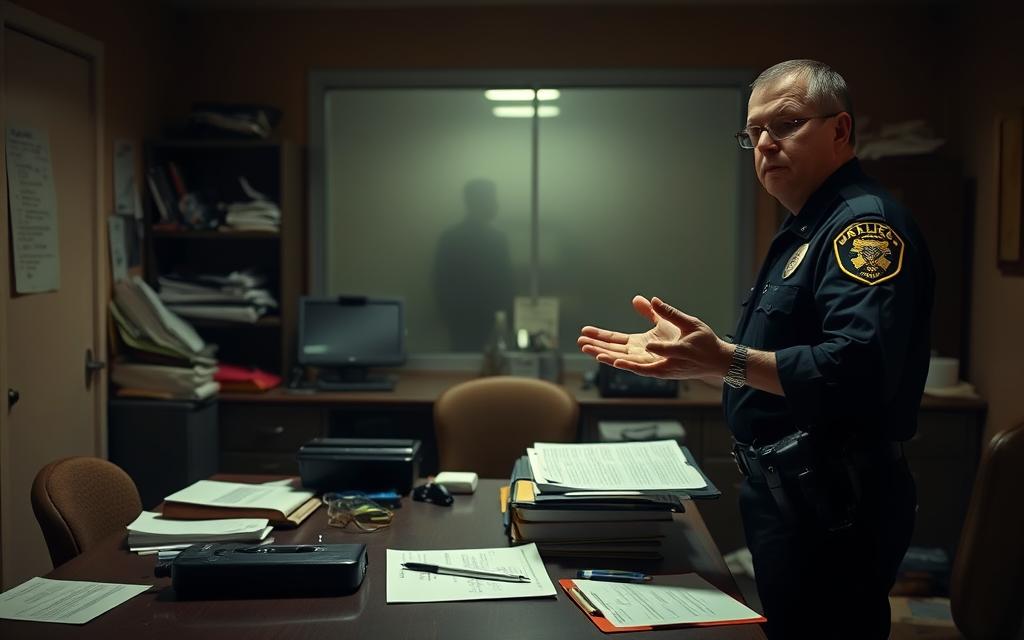
Many myths surround field sobriety tests. These myths can affect how people understand failed sobriety test help:
- Sober individuals always pass field sobriety tests
- Alcohol tolerance guarantees better test performance
- These tests are 100% accurate scientific measurements
Can You Pass a Sobriety Test When Sober?
Many sober people struggle with field sobriety tests. Physical issues, nervousness, and the environment can change test results. Medical problems like inner ear issues or balance disorders can make people seem drunk.
Myths About Tolerance and Performance
Alcohol tolerance doesn’t mean better test results. Even experienced drinkers might show signs of being drunk during a DUI test.
The Truth About Field Tests
Field sobriety tests are based on what the officer sees. Officers’ views can vary. Knowing this is key for those seeking help with failed sobriety tests.
Understanding your rights and the test’s flaws is important. It helps challenge wrong DUI test results.
Importance of Legal Representation
Dealing with DUI charges is tough. A good DUI field test lawyer can help a lot. They can make a big difference in your case.
Choosing the right lawyer is important. Look for someone who knows a lot about sobriety test defense. They should have won many cases like yours.
Choosing the Right Attorney
When looking for a DUI field test lawyer, think about these things:
- They should have lots of experience in DUI defense.
- They need to know a lot about field sobriety tests.
- They should have a good track record of winning cases.
- They should know the laws in your area well.
How an Attorney Can Help Fight Charges
A good lawyer will help a lot. They will:
- Look at how the test was done.
- Find any mistakes in the test.
- Question if the field sobriety tests are reliable.
- Get expert opinions.
The Role of Negotiation in Defense
Negotiation is very important in DUI defense. A skilled lawyer can talk to the prosecutor. They might get your charges reduced or find a better sentence for you.
| Defense Strategy | Potential Outcome |
|---|---|
| Challenging Test Validity | Case Dismissal |
| Procedural Error Investigation | Charge Reduction |
| Negotiated Plea | Minimized Penalties |
Getting a good lawyer can really change your DUI case’s outcome.
Consequences of Failing a Field Sobriety Test
Failing a DUI balance test can lead to big problems. These issues can affect many parts of your life. They can last for a long time.

When you fail a field sobriety test, you face many challenges. Getting help is key to dealing with these problems.
Potential Legal Penalties
- Immediate license suspension
- Substantial monetary fines
- Potential jail time
- Mandatory alcohol education programs
Employment and Insurance Implications
Work and money issues can be big. Many jobs check your background. A DUI can make it hard to find a job.
| Impact Area | Potential Consequences |
|---|---|
| Employment | Job loss, reduced hiring prospects |
| Insurance Rates | Premium increases up to 200% |
| Professional Licenses | Potential suspension or revocation |
Long-term Driving Record Effects
A failed sobriety test can leave a mark on your driving record. This can last for 5-10 years. It can affect your driving rights and insurance costs.
Knowing these effects shows why you need a good lawyer for DUI charges. A good defense can lessen these long-term effects.
Steps After Failing a Field Sobriety Test
Facing a failed DUI test can feel scary. But, acting smart right away can help a lot. You need to stay calm and think clearly to protect your rights.
After a field sobriety test, what you do next is very important. Knowing the right steps can lessen the bad effects. It also keeps your legal options open.
Immediate Actions to Take
- Remain silent and avoid self-incrimination
- Politely request to speak with an attorney
- Document every detail of the field DUI challenge
- Write down the officer’s name, badge number, and testing conditions
Filing an Official Challenge
Challenging a DUI test needs careful planning. Gather all the evidence you can. This includes:
- Witness contact information
- Photographs of the testing location
- Medical records that might explain test performance
- Any video recordings from dashcams or body cameras
Preparing for Court
Preparation is your strongest defense. Work with a DUI attorney who knows how to handle your case. They can spot mistakes in the test’s setup.
Remember, failing a field sobriety test doesn’t mean you’re guilty. With the right plan and evidence, you can fight for a better outcome.
Conclusion: Empowering Yourself Against Charges
Dealing with a field sobriety test challenge needs smart planning and knowing your rights. These tests are complex and can harm your reputation. It’s important to act fast to protect yourself.
Finding a good DUI field test lawyer is key. They know how to look at these tests closely. They can find mistakes and build strong defenses for you.
Knowing the law is your best defense. Learn about traffic laws and how field sobriety tests work. Also, know your rights. This helps you prepare for legal battles.
Being ready can really help when facing field sobriety test results. Get a lawyer early, keep evidence safe, and learn about the law. This way, you can fight unfair charges and keep your driving rights.
Related Posts

Can You Get A DUI On A Bicycle In Florida? Smart Yes