Common Mistakes That Can Hurt Your Car Accident Claim
  Why Hiring An Immigration Attorney Can Improve Your Chances Of Success
  Can You Get A DUI On A Bicycle In Florida? Smart Yes
  Bankruptcy Attorney Houston: Proven Relief Guide Today
  Business Attorney New York: Powerful Guide For Success
  Car Accident Attorney In Riverside – Trusted Winning Help Today
  Divorce Attorneys Near Me: Trusted Legal Help Today
  What Really Happens When DCF Opens An Investigation Into Your Family Massachusetts
Are you stuck in a legal maze? Wondering how to lift a restraining order and get free again? The steps to lift a restraining order can be tricky. But knowing the right way can help a lot.
To lift a restraining order, you need to prepare well and plan smart. In California, you can end a restraining order early with a court hearing. Both sides have to follow certain rules.
It’s important to know the legal details to lift a restraining order. Courts look at many things. They check the original reasons, safety now, and if old problems are solved.
Key Takeaways
- Restraining orders can be lifted through a formal court process
- Both parties have the right to request termination
- Legal representation increases chances of success
- Documentation and evidence are critical
- Courts prioritize safety in their decision-making
Understanding Restraining Orders
Restraining orders help keep people safe from harm or harassment. They are court orders that stop someone from bothering another person. Knowing about restraining orders is key if you’re dealing with a domestic violence order or want to ask for one to be dropped.
What is a Restraining Order?
A restraining order stops someone from getting close to or contacting another person. It’s a big help in many situations, like when someone is being abused at home or at work. How long a restraining order lasts can change based on the case.
Types of Restraining Orders in California
California has different kinds of restraining orders for different needs:
- Domestic Violence Restraining Orders
- Civil Harassment Restraining Orders
- Elder Abuse Restraining Orders
- Workplace Violence Restraining Orders
- School Violence Restraining Orders
- Gun Violence Restraining Orders
Importance of Restraining Orders
Restraining orders are very important. They help keep people safe from harm. About 60% of these orders are for cases of physical harm or threats.
| Order Type | Duration | Primary Purpose |
|---|---|---|
| Emergency Protective Order | Few Days | Immediate Protection |
| Temporary Restraining Order | Weeks | Interim Protection |
| Permanent Restraining Order | Months to Years | Long-Term Protection |
It’s important to know about these legal protections. This is true whether you need one or want to change or drop an existing order.
Reasons for Lifting a Restraining Order
Removing a protective order needs understanding the right reasons. Legal systems see changes in relationships and personal situations. This can mean lifting a restraining order when it’s right.
Courts look at many things when deciding on lifting a restraining order. The best reasons usually involve big personal changes and understanding between both sides.
Change in Circumstances
Big life changes can make courts think again about a restraining order. These changes might include:
- Completing counseling programs
- Showing better behavior
- Fixing the original problems
- Growing and getting better
Resolution of Conflicts
When the reasons for the restraining order are gone, courts might lift it. Showing real evidence of solving problems is key in this decision.
Mutual Agreement Between Parties
At times, both sides agree a restraining order is not needed anymore. A joint petition can help a lot in removing the protective order.
It’s important to be clear and show real change. This increases the chance of lifting the restraining order.
Legal Grounds for Lifting a Restraining Order
To lift a restraining order, you need to know the legal reasons. It’s important to show there’s no threat to the person being protected.
Courts look at many things when deciding to lift a restraining order. They want to make sure everyone is safe. They also want to make sure the decision is fair.
Lack of Evidence
If the reason for the restraining order is no longer clear, courts might lift it. Important evidence includes:
- Security camera footage
- Witness testimonies
- Police reports
- Text message records
- Medical documentation
No Recent Incidents
If there’s been no trouble for a long time, it can help your case. Courts look for:
- Long periods without contact
- No reports of conflicts
- Changes in behavior
Completion of Required Programs
Finishing court-ordered programs can help lift a restraining order. These might be:
- Anger management counseling
- Substance abuse treatment
- Domestic violence programs
To lift a restraining order, you must show you’ve changed. You need to prove you’re safer and more responsible. This helps keep everyone safe.
The Process to Request a Hearing
Getting a restraining order lifted needs careful planning and knowing court rules. A motion to dissolve a restraining order has many steps. These steps need to be done with care and with all the right papers.

To lift a protective order, you must follow a set legal process. This process is the same in most states but has some key steps.
Filing the Motion
The first step is to make a formal motion to the court. Important actions include:
- Getting the right motion forms from the courthouse
- Filling out all needed papers correctly
- Collecting evidence that shows things have changed
- Paying any fees to file the motion
Preparing Your Case
To win your case, you need to prepare well. You should:
- Get all your evidence ready
- Find people who can speak well of you
- Write a clear reason why the order should be lifted
- Think about getting legal advice to help your case
Serving the Other Party
The law says the other party must know about the hearing. Proper service lets both sides share their views. This means:
- Mail the court papers by certified mail
- Make sure the court has proof of service
- Follow the state’s rules for telling the other party
Every step in the process needs careful attention and following the law.
Preparing Documentation for the Court
When you want to lift a restraining order, you need to gather lots of documents. The court wants specific evidence to decide if they can help you. Getting everything ready right can really help your case.
It’s very important to collect the right documents. The court looks at everything you send very carefully. They want to make a fair decision.
Required Forms
Your lawyer will tell you what documents you need. You’ll have to fill out:
- Motion to modify or terminate the restraining order
- Completed court-specific request forms
- Proof of service documents
- Detailed explanation of changed circumstances
Supporting Evidence
Having strong evidence is key to lifting a restraining order. You might need:
- Certificates of program completion (anger management, counseling)
- Character references from respected community members
- Documentation of personal growth and behavioral changes
- Records demonstrating no recent incidents of conflict
Character References
References are very important. They show the court how you’ve changed. Pick people who know you well and can talk about your good qualities.
- Select references from professional or personal networks
- Ensure references provide written statements
- Request detailed, specific descriptions of your character
Remember, being well-prepared and getting help from a lawyer can really help. It can make a big difference in lifting a restraining order.
Attending the Hearing
Going to a restraining order court hearing is tough. You need to get ready well and know how to show your side of the story.
It’s important to know what the court wants. How you act, what you say, and your evidence matter a lot to the judge.
Preparing for Your Court Appearance
Being ready for court is key. Here are some important steps:
- Dress professionally and conservatively
- Arrive at least 30 minutes before your scheduled hearing
- Bring all relevant documentation
- Practice calm and respectful communication
Presenting Your Case Effectively
When you talk, be clear and simple. Emotional statements can hurt your case. Stick to facts that help your case.
Witness Testimony Strategy
Witnesses can help a lot. Choose people who can:
- Give good character references
- Show how things have changed
- Prove you’ve grown or changed
The judge will look at the risk and if your request is right during the hearing.
Understanding the Judge’s Decision
Understanding how judges make decisions on restraining orders is key. The rules around these orders are complex. They depend on many important factors.
When a judge looks at a restraining order case, they consider several things. They look at the reasons for the original order. They also check if the situation has changed enough to modify or drop the order.
Factors Influencing the Judicial Ruling
- History of the original case
- Evidence of changed circumstances
- Potential risk to the protected party
- Behavioral changes demonstrated by the respondent
- Compliance with previous court mandates
Potential Outcomes of the Hearing
The judge’s decision can lead to different outcomes:
- Complete dismissal of the order
- Partial modification of restrictions
- Denial of the request to lift the order
Importance of Legal Representation
Having a good lawyer is very important. They help with the appeal process. They present strong evidence and make good arguments.
The court wants to protect victims but also be fair. Each case is looked at carefully. That’s why having a lawyer is so important.
Possible Outcomes After the Hearing
Understanding the legal world of restraining orders is key. When you want to end a restraining order, you face three main outcomes. These outcomes can change your legal status and personal life a lot.
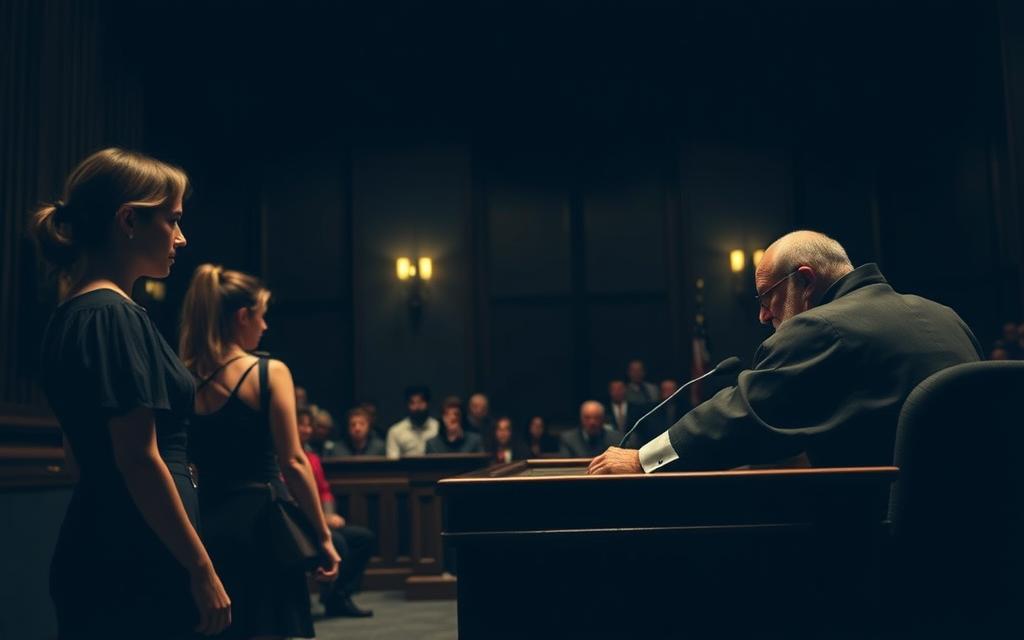
To lift a no-contact order, courts review many things. They look at safety and if the order should be changed.
Full Restraining Order Lifted
If a judge lifts the order fully, all rules go away. This means you can talk and meet freely again without legal trouble.
- Complete elimination of all previous restrictions
- Immediate restoration of standard communication rights
- No further legal limitations between parties
Partial Lifting of Restrictions
Sometimes, a judge might only change parts of the order. This lets you have some contact but keeps some rules in place.
- Limited contact permitted for specific purposes
- Restricted communication channels
- Continued supervision or monitoring
Denial of the Motion
If the court says no to ending the order, the old rules stay. This shows the court’s focus on keeping people safe.
- Original order remains unchanged
- Continued legal restrictions in place
- Potential opportunity to refile in the future
Knowing these possible results is very important when trying to end a restraining order. Each situation needs a good legal plan and lots of preparation.
Next Steps if Granted
When a court says yes to changing a restraining order, you need to pay close attention. You must follow certain steps to make sure everything goes smoothly. This is for your safety and the safety of others.
After getting approval to change a restraining order, you must do a few important things:
- Get official papers from the court showing the order has been changed
- Make copies of the new order that are certified
- Tell the police about the changes
- Let important people know about the new order
Modifying Terms Strategically
When you’re changing a restraining order, look at the new rules carefully. Some rules might stay the same, while others will change. It’s important to understand these changes to avoid legal problems.
Communicating Official Changes
Telling others about the changes is very important. Proactively inform important people, like:
- Local police departments
- Work supervisors
- School administrators
- Family members affected by the original order
Maintaining Complete Records
Keep all papers related to the order change in order. This includes court documents, letters, and any evidence you used to ask for the change.
Even if the order has been changed, it’s important to respect the law. Growing as a person and having good relationships are key to solving problems for good.
If Your Request is Denied
Getting denied in your restraining order appeal can be tough. It’s key to know what to do next. Judges look closely at each case to keep everyone safe.

About 99% of the time, judges say no to changing or ending a no-contact order if the victim shows up. This shows how important it is to fight back smartly.
Evaluating the Reason for Denial
When you get legal help for a restraining order, figure out why you were denied. Courts look at a few main things:
- Ongoing safety concerns
- Lack of solid evidence of change
- History of breaking rules
- Following court orders
Options for Reapplying
Talking to a restraining order lawyer can help you plan your next move. Here are some ideas:
- Get new proof of changed behavior
- Finish court-ordered programs
- Stay away from trouble for a while
| Reapplication Factor | Likelihood of Success |
|---|---|
| Completed Court-Ordered Programs | 60% Increased Chance |
| No Recent Incidents | 45% Order Lifting Probability |
| Mutual Agreement | 35% Modification Possible |
Seeking Legal Advice
Getting help from a pro is key in the complex restraining order appeal process. A skilled lawyer can help you see the legal side better. They can spot weak spots in your case and make it stronger.
Potential Impact on Future Legal Matters
Understanding the long-term effects of a restraining order is key. A domestic violence restraining order removal can change many things in your life. It affects your legal rights and personal life a lot.
Restraining orders have big effects that last long. They can change many parts of your life. This includes:
- Employment opportunities
- Housing applications
- Child custody arrangements
- Professional licensing
Impact on Custody Arrangements
Violating a restraining order can hurt a lot in family law. Courts see these orders as very important for safety. A history of violence or restraining orders can really affect a judge’s decision on custody.
Broader Legal Implications
Having a restraining order can make things hard in many areas. Employers might check your background. A restraining order could mean you can’t get a job or might face trouble at work. Some jobs might even check your licenses.
Long-Term Consequences to Consider
It’s important to know how a restraining order can affect you later. It can change things like background checks, job chances, and personal relationships. Getting legal help can lessen these effects.
Resources for Further Assistance
Getting help with a restraining order can be tough. The right resources can really help you understand and manage your legal situation.
When you’re in a tough legal spot, knowing where to get help is key. Here are some important resources for people dealing with restraining orders.
Legal Aid Organizations
- National Legal Aid & Defender Association (NLADA)
- American Bar Association’s Pro Bono Resources
- Local courthouse restraining order help centers
Community Support Services
Getting help isn’t just about legal advice. Many groups offer full support for those facing restraining order issues.
- Domestic Violence Support Centers
- Counseling Services
- Victim Support Networks
Online Legal Resources
Online, you can find lots of useful info for getting a lawyer for a restraining order.
| Resource Type | Description | Contact Information |
|---|---|---|
| Restraining Order Help Center | Provides legal guidance and support | (408) 534-5600 |
| Family Justice Center | Offers full legal help | Local courthouse locations |
Important Note: Kids 12 and up can get restraining orders. And, if you’re low on money, you might get free help for some orders.
Remember, 911 is for emergencies. Always put your safety first and get professional help with protective orders.
Common Misconceptions about Restraining Orders
Understanding restraining orders can be tough. Many people don’t know their rights or the effects of these orders. This part will clear up common myths about restraining orders.
Myths vs. Facts
There are many wrong ideas about restraining orders. Knowing the truth about them is key to staying safe legally.
- Myth: If the protected person contacts me, the restraining order is no longer valid.
- Fact: Talking to the protected person doesn’t make the order invalid. The person who can’t contact must stay away.
Clarifying Legal Terms
Legal words about restraining orders can be hard to get. The effects of breaking these orders are serious and should be taken seriously.
| Legal Term | Explanation |
|---|---|
| Ex Parte Order | Temporary order issued without notifying the other party |
| Mutual Order | Protective order that restricts both parties |
| Sustained Order | Long-term protective order after a formal hearing |
Understanding Consequences
Restraining orders are meant to keep people safe. Breaking them can lead to big problems.
- First violation: Possible misdemeanor charges
- Repeated violations: Possible felony charges
- Potential jail time and big fines
People need to take restraining orders seriously. Even if the protected person seems okay, any contact can cause legal trouble. Always talk to a lawyer to know your rights and stay safe.
The Importance of Safety and Compliance
Understanding restraining orders is key for safety and following the law. Knowing the risks of breaking protective orders is important for everyone.
Keeping safe is the main goal with protective orders. People need to think about their safety a lot. Changes to protective orders can affect their legal and emotional life a lot.
Reassessing Personal Safety
When thinking about changing a protective order, do a safety check. Think about:
- How much danger the restrained person is
- The risks of meeting them again
- How you feel and your health
- Who you can count on for help
Compliance with Existing Orders
Following the rules of protective orders is very important. Breaking these rules can lead to big problems, like:
- Being charged with a crime
- Going to jail
- Having to pay a lot of money
- Dealing with legal issues for a long time
Seeking Counseling if Necessary
Seeing a counselor can really help during tough times. Therapy offers many benefits, such as:
- Handling tough feelings
- Finding ways to cope
- Understanding relationships
- Creating safety plans
Reporting domestic violence is hard. In 2021, only 48.9% of cases were reported to police. This shows how hard these issues are.
Conclusion
Lifting a restraining order is a complex task. You need to understand your situation well. Then, you must show the court why the order should be changed.
Getting help from a restraining order lawyer is very important. They can guide you through the legal steps. They help you prepare and present your case in court.
Restraining orders have different rules in each place. Knowing your rights and what might happen is key. Always be careful and follow the law while trying to change the order.
To succeed, you need to be well-prepared and have a good lawyer. You also need to know what the court expects. With the right approach and evidence, you can tackle your legal issues.